hese distinctive entrances reshape the space both functionally and aesthetically, filling your home with natural light. Choosing a glass door is far more than a passing trend—it is a thoughtful design decision that defines the atmosphere and style of your home for years to come.
What defines the loft character?
The roots of loft style lie in transforming industrial buildings into living spaces. into living spaces.The essence of this design philosophy is blending raw materials with the experience of open, spacious interiors. An interior glass door perfectly represents this approach.
One of the most defining elements of the authentic loft look is the use of metal framing. The thin yet solid mullions—most commonly in black or anthracite—create a strong visual statement while giving the space an unmistakably industrial character. These profiles act as structural and aesthetic components, forming geometric patterns across the glass panels.
The grid layout is equally crucial. Classic loft design favors symmetrical divisions reminiscent of old factory windows. A typical loft glass door features anywhere from 4 to 12 glass sections.
The type of glass is also a key factor. Clear glass provides maximum light transmission, but where privacy is important, opal, smoked or frosted glass is the ideal choice. These surfaces act as soft filters: they let natural light through while gently separating areas with different functions.
Another signature feature of a loft glass door is the high glass-to-frame ratio. The larger the proportion of glass relative to the overall door size, the stronger the loft effect. For a standard 90 cm–wide door, the ideal design is when the glazed area reaches at least 70–80% of the total height, extending from floor to ceiling.
Where does the loft door work best?

An industrial-style door does not create the same impression in every setting. However, in certain layouts, it can completely transform the atmosphere of a home.
Between the living room and hallway, a glass solution works exceptionally well. In many homes, the hallway is a dark, windowless zone that can be turned into a welcoming, well-lit space by channeling natural light from the living room. In this case, the loft door doesn’t divide—it connects, visually expanding both areas.
A similar effect can be achieved when linking a home office and living room. While separating the work area is crucial for focus, total isolation can be counterproductive. A black metal-framed glass door provides the perfect balance: it cuts noise, maintains visual connection with the family space, and ensures steady natural lighting.
The kitchen–dining transition is also an ideal location. Modern apartments often feature open-concept layouts, but cooking smells and steam can sometimes make separation necessary. A glass interior door offers both practicality and visual cohesion, keeping the space unified.
The key consideration in all cases is light flow. The real value of glass doors lies in bringing daylight into areas that otherwise receive little to none. A well-placed loft door can increase a room’s brightness by 30–40%, significantly improving comfort while reducing the need for artificial lighting.
Practical design considerations
Beyond aesthetics, choosing the right glass door requires evaluating several functional factors. Long-term usability depends heavily on careful planning.

Opening type (swing or sliding), space requirements
The chosen opening mechanism fundamentally determines how the space can be used. Swing doors Traditional hinge-mounted swing doors offer familiar functionality but require significant clearance. A 90 cm door leaf typically needs 90–100 cm of free space, which may be challenging in smaller rooms.
Sliding doors Sliding systems are far more space-efficient. The door glides along the wall plane, making them ideal for narrow corridors or compact spaces. Modern sliding systems run smoothly, quietly, and hold the weight of glass structures securely. However, the wall section next to the opening must remain free—this space should equal the door’s width.
Double sliding (bi-parting) doors A practical hybrid: the doors slide in opposite directions, meaning each side requires only half the clearance.
It’s also important to note that a glazed interior door is generally heavier than a standard MDF leaf. Therefore, durable hinges and high-load sliding tracks are essential. With Erkado’s glass doors, this is all handled for you. Our products come with the appropriate hardware and hinges.
Private spaces – Choosing the right glass type
Not every room is suitable for fully transparent glazing. In private zones like bedrooms, bathrooms or guest areas, privacy takes priority.
Frosted or satin glass ensures full discretion while allowing abundant light through—ideal for bedrooms.
Textured glass offers partial transparency: close up, it reveals subtle shapes, while from afar it maintains privacy. It works well in semi-private rooms, though in strict loft environments it should be used thoughtfully to avoid a cluttered look.
Pairing with colors and materials
A glass door becomes truly elegant when it harmonizes with the surrounding interior elements. While loft style encourages simple yet intentional material combinations, a well-chosen industrial-style door can create the ideal visual balance.
A black metal frame pairs perfectly with concrete or concrete-inspired surfaces—whether real concrete or grey wall finishes. The rough, textured concrete contrasts beautifully with the sleek glass and precise metal lines, creating the essence of loft character.

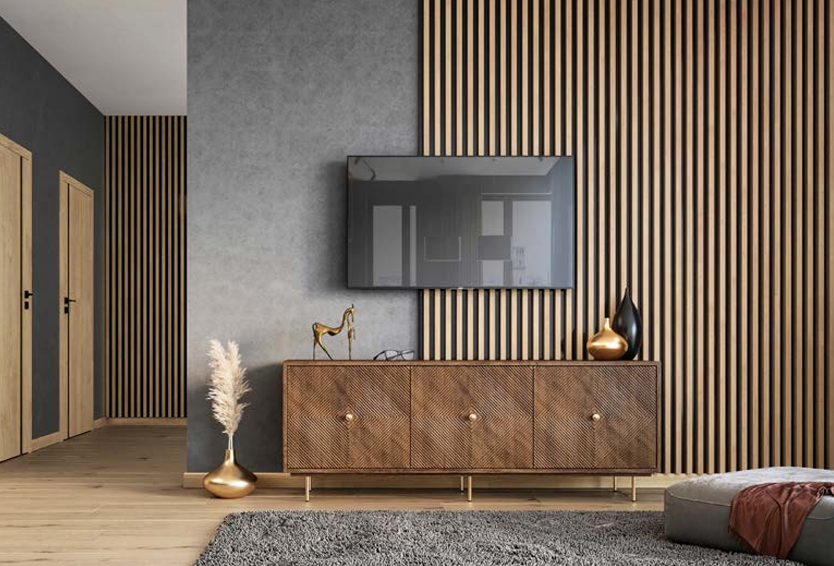
Natural materials like wood soften the coolness of metal and glass. Oak, walnut, or darkened ash floors or wall panels form a warm counterbalance to the geometric precision of a loft door.
White walls provide a neutral backdrop that highlights the door without overwhelming the space. Hardware is equally important. For a matt black frame, choose matching matt black or bronze handles. High-gloss chrome or stainless steel often feels out of place in genuine loft interiors.
Long-term usability
Installing a glass interior door is an investment that lasts decades. Daily practicality and maintenance therefore matter.
Cleaning: Glass surfaces need regular care, but it’s simple—microfiber cloth and glass cleaner once a week is enough.
Fingerprints: Matt or satin finishes show fewer smudges, though they can be slightly harder to clean perfectly.
Scratch resistance: Tempered glass is durable but not invincible. Avoid abrasive cleaners and keep microfiber cloths clean to prevent micro-scratches. Metal frame upkeep: Minimal effort—wiping with a damp cloth and yearly lubrication of hinges and locks is sufficient. High-quality powder-coated metal frames maintain their appearance for many years.
In conclusion
Loft glass doors go far beyond being merely interior elements: they give your home light, openness and character. An industrial-style door is a stylish choice for modern homes, enhancing natural illumination, expanding visual space and adding timeless elegance.
For a loft glass door to truly work, thoughtful planning is essential: the right glass type, opening direction and color/material harmony must all align. When these elements come together, you gain a design feature that defines your home’s atmosphere for decades.
A well-designed black metal-framed loft door is an investment in quality living—an architectural detail that brings joy every time you walk through it, and shows your home in a different light at every hour of the day.